
Film Treatment: “Exile Candidate”
Genre: Dark Comedy, Drama, Political Satire
Tone: Political Satire, Think “Dr. Strangelove” meets “The Great Dictator” with a dash of “Veep” and “Borat” absurdity
Logline
When a progressive firebrand unexpectedly wins the Democratic nomination for Mayor of New York City, a desperate and fascist U.S. President deports him on “largely true” charges of communism. Stranded in his birth country with nothing but his convictions and a box of unpaid parking tickets, he decides to run for mayor of its capital—sparking an international political spectacle that threatens to redefine democracy, one pothole at a time.
Title:
EXILE CANDIDATE
(Alternative working title: “Red on Arrival”)
Main Character:
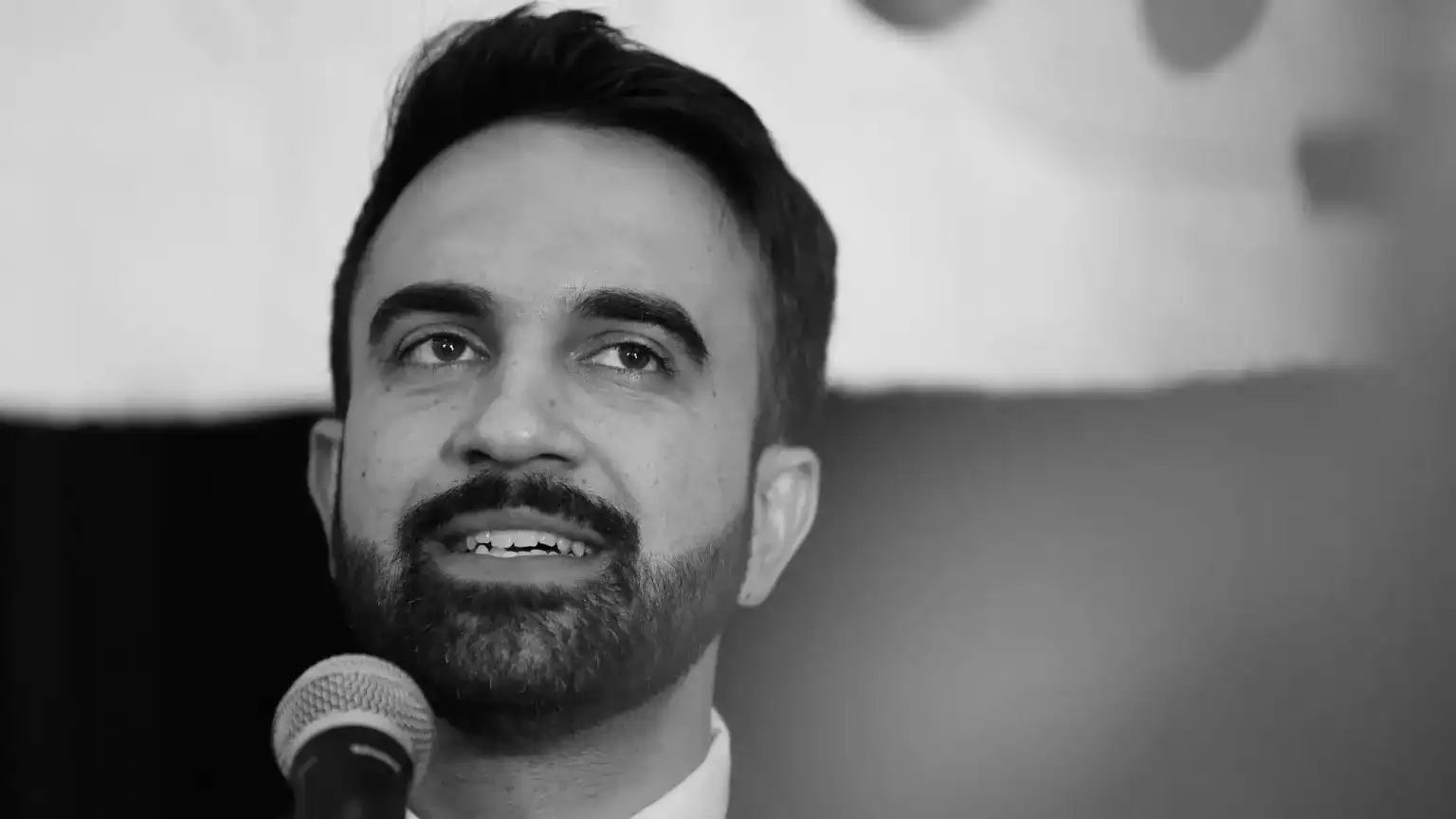
Rafiq Hassan – 34, the Uganda-born, Manhattan-raised son of immigrants. A political savant who blends radical housing reform with performance poetry. Witty, disarming, and obsessed with equitable Wi-Fi access, Rafiq is the embodiment of every Fox News fever dream—until he becomes a reality.
Supporting Characters
-
President Randall Thorn – 78, fascist-lite, full-blown paranoid. Obsessed with “cleaning up the radicals,” Thorn launches a crusade to “Make Mayors American Again.”
-
Dottie Fife – 62, press secretary and diet-pill tycoon. Doesn’t blink. Ever.
-
Auntie Nafula – 68, Rafiq’s aunt in Uganda. Owns a charcoal shop and has 12 cell phones. Becomes his campaign manager by accident.
-
Derek “Big D” Thompson – 42, Rafiq’s ex-roommate and campaign tech bro. Stays in Brooklyn. Livestreams everything and monetizes the revolution.
-
Inspector Mbaasa – 55, Kampala city clerk with one ambition: to stay out of the news. Becomes Rafiq’s main bureaucratic foil.
-
The People’s Pothole League – a youth movement of activists, influencers, and unemployed urban planners turned street artists.
Act I: Brooklyn’s Comrade of the People
Rafiq Hassan, a Queens Assemblyman turned political wildfire, sweeps the Democratic nomination for Mayor of NYC. His platform? Free transit, universal rent caps, and a municipal “Department of Feelings.” Cable news brands him “Brooklyn’s Bolshevik.” Fox News has a heart attack on air.
President Randall Thorn, reeling from sagging poll numbers and allergic to beards, declares Rafiq an “existential threat to capitalism.” Congress balks. Thorn issues an executive order declaring Rafiq a “foreign agitator with hostile intentions,” based on a blurry photo of Rafiq holding a Che Guevara mug.
At 3:06 a.m., ICE agents raid Rafiq’s apartment. He’s deported via military drone to Uganda while still in pajama pants and a Bernie Sanders hoodie.
Act II: Kampala Rising
Rafiq wakes up in Kampala, dazed and Wi-Fi-less. Local media mistakes him for a visiting Afrobeat DJ. When his deportation goes viral, Ugandan Twitter explodes with #MayorFromAmerica and #FreeRolexForAll (a reference to the street food, not the watch).
With no passport, no way home, and nothing to lose, Rafiq declares his candidacy for Mayor of Kampala. At first, locals laugh. Then potholes explode. Literally. A rogue boda boda strike leaves half the city walking. Rafiq improvises a “Walking Solidarity Movement” and wins fans with slogans like:
“Vote Rafiq—The Only Candidate Deported by a Dictator, Twice.”
His campaign is improvised with chalk, charcoal, and flash mobs. Auntie Nafula becomes campaign treasurer and astrologist. His rallying cries—“Landlords are landlords, even if they speak Swahili”—ignite youthful rage.
Meanwhile, President Thorn holds daily press briefings yelling, “I said DEPORT him, not turn him into a political martyr with a global brand!”
Act III: The Red Tide Goes Global
As Rafiq gains ground in Uganda, his popularity boomerangs back to the U.S. Protestors flood Times Square wearing fake deportation tags. CNN airs live coverage of his Kampala debates, which are moderated by a goat named Nelson and livestreamed to over 40 million viewers.
Rafiq’s campaign releases a 22-point plan involving bicycle reparations, cloud taxes for tech companies, and turning potholes into “Reflective Public Mirrors of Class Injustice.”
Thorn panics and offers to reinstate Rafiq’s citizenship if he promises to never run for office again. Rafiq refuses, proposing instead a joint mayorship of NYC and Kampala—“The People’s Twin Cities.”
Ugandan politicians begin defecting to his side. McDonald’s offers to sponsor his street art initiative. A Kardashian retweets him unironically.
Act IV: The Election Heard Round the World
Election day in Kampala. Ballots are hand-carried by donkeys. Voters line up wrapped in red scarves. Rafiq’s campaign anthem, “We Built This Slum on Socialist Rock,” plays from loudspeakers rigged to old air conditioners.
Exit polls suggest a tight race between Rafiq and the incumbent, a man whose entire platform is “I Own a Suit.” But as results trickle in, Rafiq edges forward, one pothole precinct at a time.
The U.S. government shuts down its embassy “for maintenance.”
When Rafiq wins, a statue of him riding a boda boda is erected overnight. CNN declares it “the first successful leftist revolution sponsored entirely by crowdfunding and goat herding.”
Epilogue: From Deportee to Dual Mayorship
In the final scenes, Rafiq is sworn in as Kampala’s mayor while simultaneously winning mayorhood of New York City by its voters and city council in defiance of federal orders.
He sets up dual city halls—one in a shipping container on the East River, the other inside a repurposed mango warehouse. Thorn resigns after being caught smuggling Big Macs to North Korea. A Netflix docuseries titled Mayor Exile: The Man Who Got Deported Into Power becomes the most streamed show of the year.
Rafiq ends the film sipping tea, watching the sunrise over Kampala, whispering,
“They tried to silence me. Now I run two cities—and neither one pays rent.”
Themes
-
The fragility and absurdity of power
-
How authoritarianism backfires in a meme economy
-
The globalization of populism and irony
-
Identity as a weapon and a brand
-
The future of leftist politics… with goats
Tagline
“They kicked him out. He took over anyway.”
